Zoom-in: On climate shelters and how they are meant in Bologna

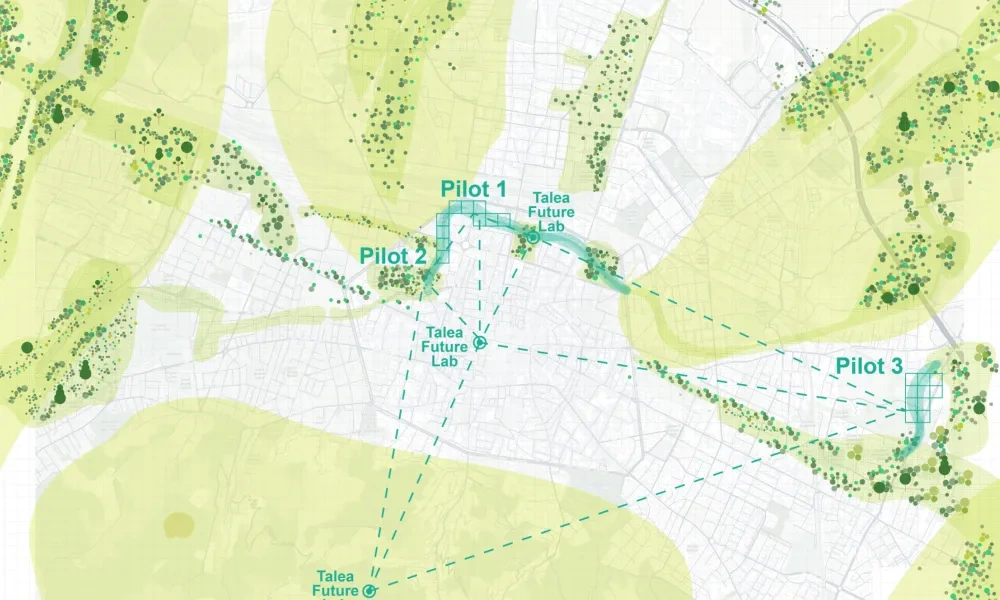
Bologna is developing its "Green Cells", which will also serve as shelters during urban heat waves. These areas will offer shade and relief during the hottest months, drawing on vegetation to improve local microclimates, overall comfort and biodiversity. They will also connect existing green areas, creating a network of places that benefit sustainable mobility, social spaces, ecological connectivity, and data collection.
Seeking shelter from urban heat
In the buildings we live and work in, we decide the temperature and shape the conditions that make daily life comfortable. We design buildings according to bioclimatic principles, insulate and protect the external envelope, and heat or cool the rooms to ensure the necessary comfort for the activities we carry out there. Each interior space can be designed to offer different conditions depending on its use. Light, temperature, humidity and other parameters can be regulated through a combination of passive and active systems. Recent experiments go further by integrating complex vegetated environments inside buildings, creating indoor biospheres that help moderate the climate and provide additional ecosystem services (Fig. 1). However, these comfortable envelopes remain immersed in an urban climate that can be far from comfortable, with summer temperatures that are unbearable for long periods. We move through it, socialise, and carry out our daily activities. How can we promote well-being in open spaces, too?
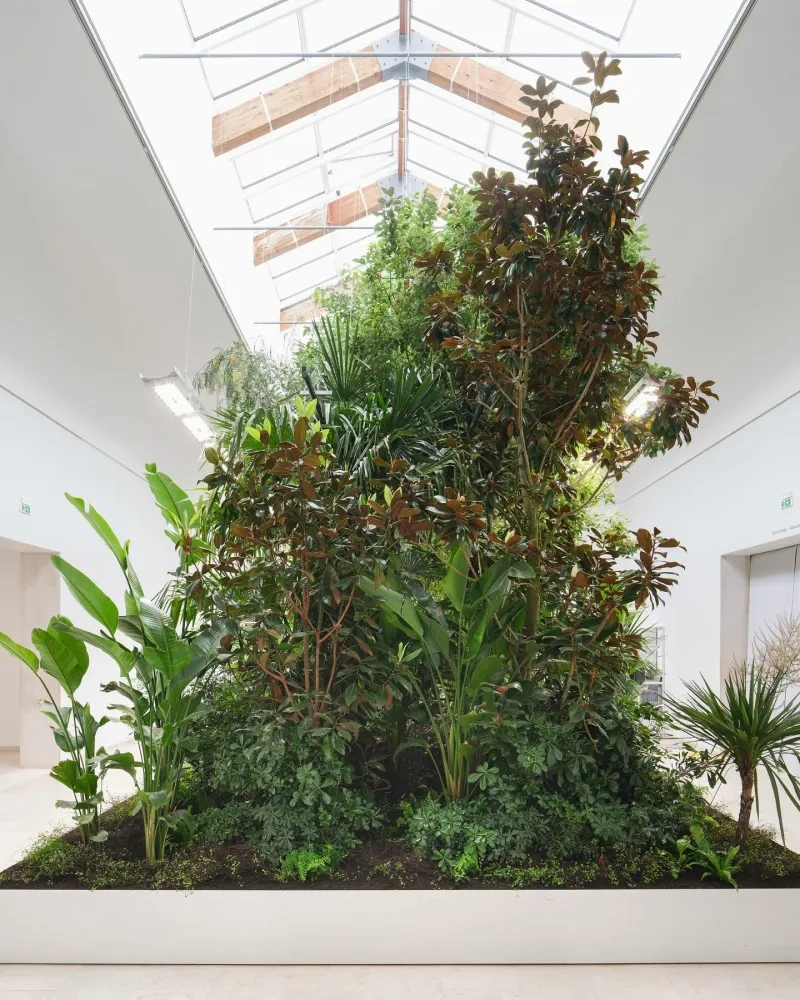
Fig. 1 An integration of bioclimatic principles to improve thermal quality indoors in the experimental Belgian Pavilion at Venice Biennale 2025 © Michiel De Cleene
The concept of climate shelter originated in ecology and was initially applied to animal species. Among the effects of climate change is the transformation of the conditions necessary for the life of many plant and animal species. Climate shelters are natural areas that retain characteristics suitable for hosting organisms that are losing suitable habitats elsewhere. These are places less affected by climate change, capable of maintaining liveable conditions even in warmer scenarios. Recently, ecology scientists have been exploring shelters in urban settings from a socio-environmental perspective, “given that urban heat is one of the largest drivers of species decline and has adverse effects for both biodiversity and human well-being” (Berger et al., 2024).
Today, this idea also inspires the way public spaces in cities are designed and planned, which increasingly need to offer protection and high-quality living conditions, even outdoors. With global temperatures rising and, above all, with the tropical microclimate created in urban spaces by the urban heat island (UHI) phenomenon, this need for places to take refuge during the hottest periods of the year has been interpreted differently across urban contexts. Main approaches can be grouped into two categories: cooling centres and networks of climate shelters.
In the American context, so-called cooling centres have become widespread. These are air-conditioned buildings made available during heat waves to provide temporary shelter from high temperatures. The idea of a “shelter” is therefore interpreted as the opening to the public of existing structures, whether public or private, with commercial functions. These can be libraries, community centres, cafés, shopping centres or cinemas: places that remain accessible only at specific times, often linked to their ordinary function. In the case of private spaces, moreover, access may be subject to consumption or, in any case, mediated by the logic of the particular service typically provided there.
The choice and distribution of cooling centres are often not guided by indicators of social vulnerability (Kim et al., 2021). Instead, their location reflects the pre-existing geography of urban services and commercial areas, with a greater concentration in areas already rich in services (Nayak et al, 2019). This leads to inevitable inequalities: in many American contexts, reaching a cooling centre means having to travel by car, effectively excluding the most vulnerable groups (the elderly, children, people with reduced mobility or limited resources) (Sehgal A. & Sehgal N., 2023).
From an energy and environmental perspective, cooling centres are entirely dependent on air conditioning systems. This makes them vulnerable to power cuts, which are particularly critical during extreme heat events, and contributes to higher surrounding urban temperatures. These spaces serve a specific function of individual protection but do not produce environmental benefits for the surrounding areas, nor do they improve the neighbourhood's resilience in the medium term (Black-Ingersoll et al, 2022).
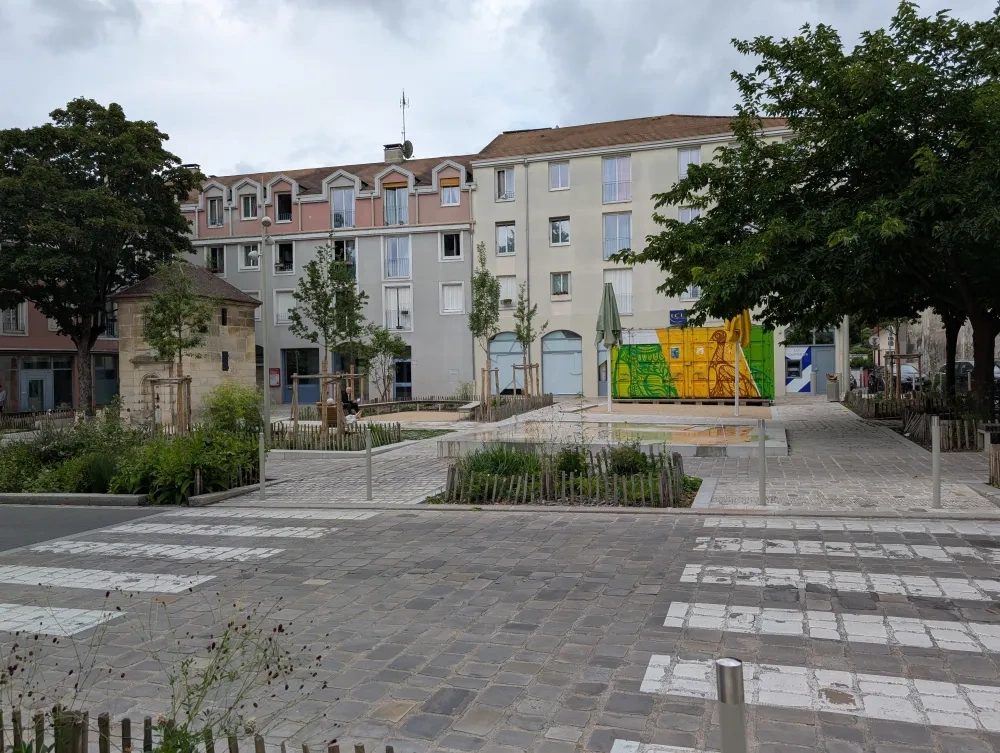
Fig. 2 Urban greening, shading, and water features in urban interventions in Le Pré-Saint-Gervais in Paris, France "© Vittore Negretto
The European cities' interpretation of climate shelters refers to a network of public spaces, both indoor and outdoor, designed to provide protection during heatwaves and to improve the urban microclimate. This approach combines two criteria: taking advantage of existing opportunities offered by public buildings, gardens, school playgrounds and museums, but also distributing new interventions based on a mapping of social vulnerabilities. The aim is to locate climate shelters in the most exposed areas, integrate them into the city's daily fabric, and make them accessible to all (Lopez-Plazas et al, 2023).
Among the European experiences, the strategies developed in Barcelona and Paris stand out as early and influential examples of how cities can organise a network of accessible cool spaces, embedded within broader urban adaptation policies. In Barcelona, the network of climate shelters forms part of the city’s Climate Plan and its dedicated heat strategy. Over recent years, the municipality has expanded this network to around 400 sites and set explicit targets: every neighbourhood should have at least one refugis climàtics (Fig. 3, 4 and 6), and more than 90 per cent of residents should be able to reach one within a ten-minute walk.
Paris has taken a similarly structured path. Its Climate Plan includes a large programme centred on the creation and management of îlots de fraîcheur, identified through urban heat mapping and delivered through urban upgrades, combining publicly accessible gardens (Fig. 2), tree-lined squares and riverbank areas temporarily opened in summer. These approaches have become a reference for other European cities seeking to transform ordinary urban areas into distributed climate infrastructures that offer relief during heatwaves.
This approach to climate shelters include air-conditioned spaces, but also a wide variety of open areas: shaded parks, cool inner courtyards, public gardens, spaces with vegetation and water. The latter in particular are freely accessible spaces with no specific function, and can be used for a variety of purposes: resting, reading, socialising, letting children play, or simply finding relief during the hottest hours of the day. Most are only open during daylight hours, for example school courtyards or museum cloisters, which are made available in the summer months precisely to encourage access to urban coolness.
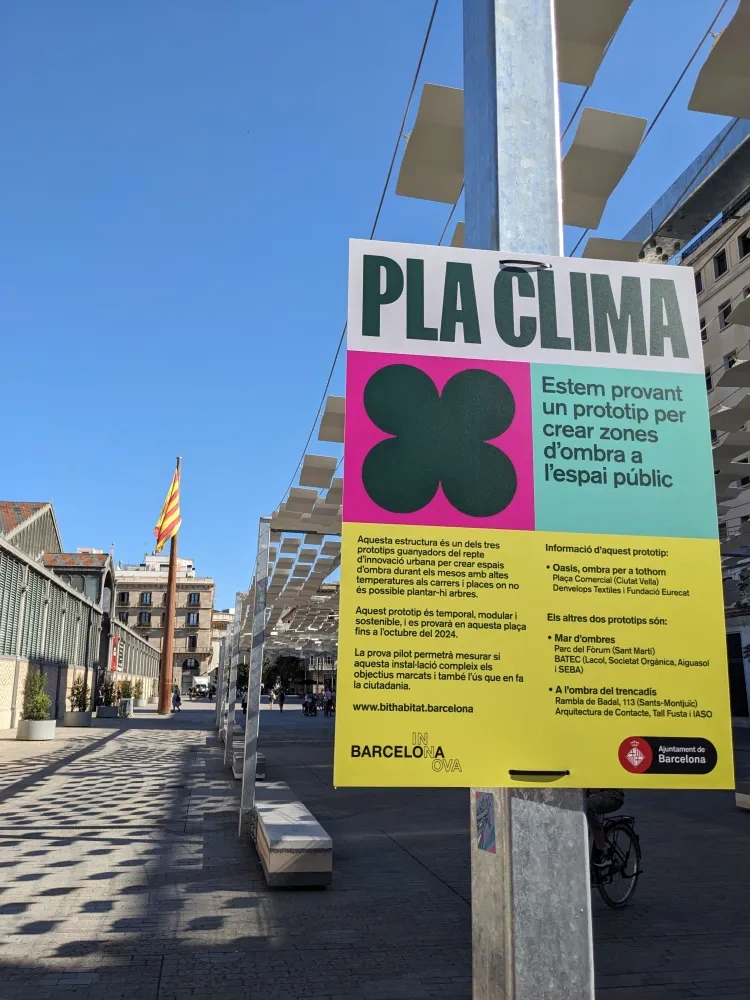
Fig. 3 Temporary structures being tested in Barcelona, Spain, to provide shade within public spaces "© Vittore Negretto
Unlike completely enclosed, mechanically cooled spaces, European climate shelters address heat directly where it is generated. They use shade, vegetation, soil permeability and, where possible, the presence of water to lower temperatures and combat the heat island effect. These are places that improve comfort not only for those who frequent them but also for the surrounding area, because vegetation and natural elements help to cool the entire neighbourhood without releasing heat into the urban environment (Hogeweij et al 2025).
The design of these spaces takes socio-demographic differences into account: advanced age, mobility, and income levels influence access to and use of green spaces, leading cities to develop localised strategies to prevent the most vulnerable areas from being excluded (Torrego et al. 2024). Overall, the logic behind European climate shelters is that of a widespread, multifunctional infrastructure that integrates nature and the built environment, providing cooling beyond the emergency, improving the neighbourhood's climate quality, and strengthening urban resilience in the long term.
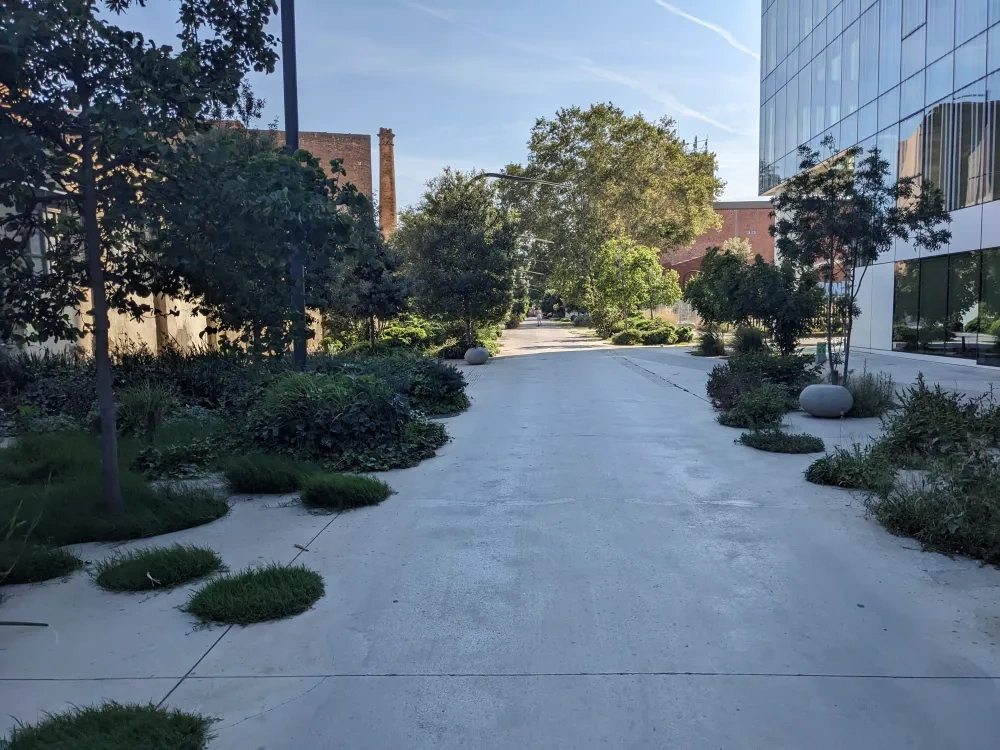
Fig. 4 A linear climate shelter to reduce UHI in the former industrial zone of Barcelona, Spain "© Vittore Negretto
Bologna : heat protection and sociality.
In the European urban tradition, many cities have developed urban solutions that mitigate summer heat passively. Bologna is one of the most emblematic examples: the city of porticos, a continuous system of covered pedestrian walkways that runs through the historic centre and is recognised as a UNESCO World Heritage Site. These structures, built on the ground floor of buildings or as separate covered walkways (Fig. 4), offer protection from the weather and the sun, providing shade and coolness during the summer days. Over time, they have also become spaces for socialising and economic activity, helping to define the social identity of the city. The porticos can therefore be read, with a contemporary eye, a historical form of climatic refuge, an urban infrastructure that has been able to join environmental comfort, socialising and everyday life.
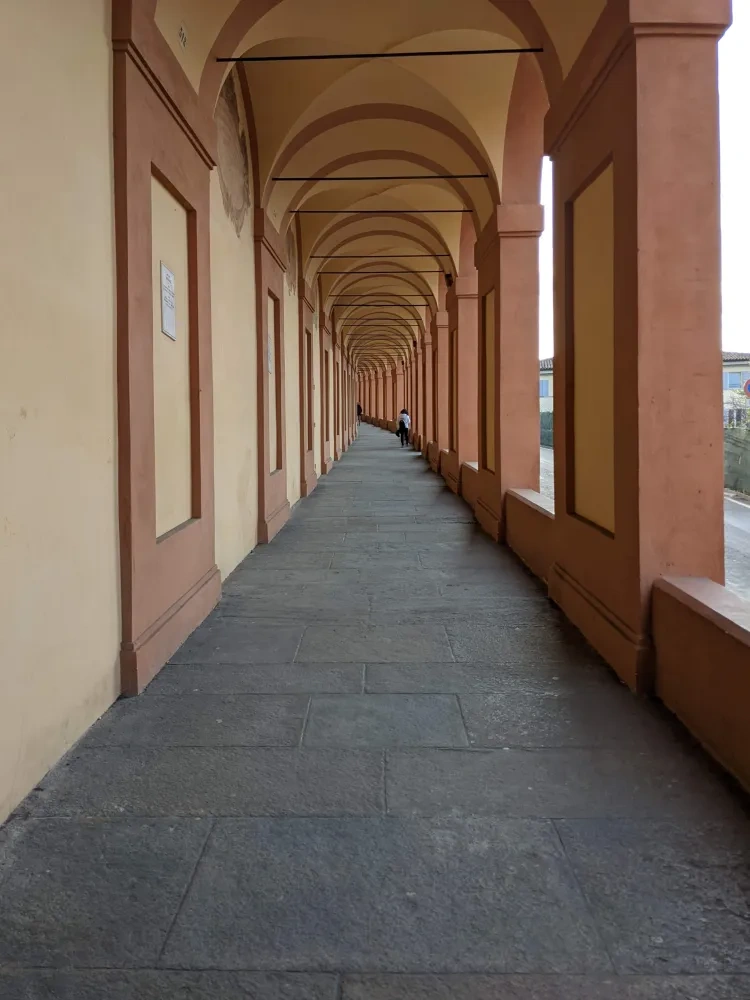
Fig. 5 The system of San Luca porticos in Bologna, over 3.5 km long, has provided shelter from the sun and rain for centuries, even outside the city center "© Vittore Negretto
TALEA’s Green Cells
The TALEA project builds on this legacy, drawing inspiration from European climate-sheltering experiences to create a network of Green Cells that respond to Bologna's urban conditions. TALEA aims to transform currently marginalised places, like car parks along secondary roads, residual green areas or intersections between infrastructure, into Green Cells. These units, each 100m per side, are shaped to offer climatic well-being and to act as connective space within both the physical and digital networks of the city.
The first network is formed by Bologna’s existing green areas across the urban and peri-urban fabric. The Green Cells strengthen connections within this system, giving continuity to parks, meadows, tree-lined avenues and planted strips. Each Cell includes nature-based solutions that generate ecosystem services and link valuable areas. In the denser parts of the city, this means shaping urban corridors that connect parks and gardens. The intervention in Via Boldrini and Via Fratelli Rosselli is seen as a sequence of Green Cells that links Parco della Montagnola, Giardino Graziella Fava, and Giardino del Cavaticcio. In the peri-urban area of Savena, where building density is lower, the Green Cells help enhance a spontaneous woodland and create ecological corridors that support the movement of urban fauna.
Just as these corridors facilitate wildlife mobility in peri-urban landscapes, the Cells are designed to improve sustainable mobility in the city. By integrating the network of cycle paths and covered walkways, Green Cells create cool corridors that encourage slow mobility even on hot days.
A third dimension that helped shape the Cells is the social one. Bologna has a participatory budgeting process that allows residents to influence how part of the municipal budget is allocated across neighbourhoods. The process strengthens collaboration among citizens, local associations, and the municipal administration and supports small-scale interventions that improve public spaces and community services. The TALEA Green Cells were therefore located by taking into account these expressed preferences, as well as reports identifying valued places where interventions should be prioritised. Citizen involvement did not end with site selection: ongoing activities of listening, participation and co-design are shaping the Cells so they can respond to the specific physical, social and environmental context of each area
Finally, the Green Cells interact with the digital network. Data played an important role in guiding their design, drawing on sensors, remote-sensing information and citizen-science activities. The Cells also function as key monitoring points, where collected data help assess their effectiveness and support their integration into future urban policies.
Bologna therefore intends to build a Green Cells network that is not only effective for climate protection but also closely connected to neighbourhood life, strengthening social cohesion, supporting slow mobility, generating data to inform policy and making the city more liveable during heatwaves.
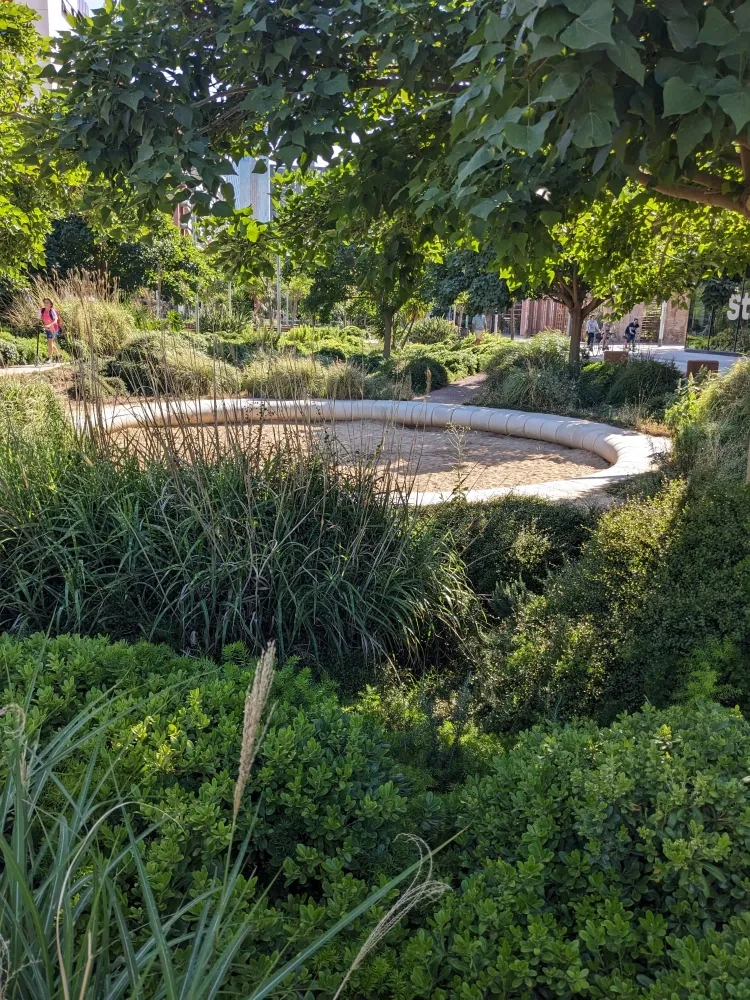
Fig. 6 An open and vegetated climate shelter in Barcelona, Spain "© Vittore Negretto
What TALEA’s approach teaches us
TALEA offers a set of lessons that can guide how cities imagine climate shelters and, more broadly, how they shape social and climate infrastructures that respond to rising heat and changing urban conditions.
- Accessibility for all
Climate shelters should be open, barrier-free public spaces that allow people to find shade, rest, and comfort and remain accessible to all for as many hours of the day as possible. Accessibility includes pathways and attention to mobility needs, which may change during heat waves. There is also the opportunity to design for species, too, embedding the ecological corridors approach and shape shelters for fauna and insects.
- Use nature as an active cooling system
Vegetation, permeable soils, water and shaded areas do far more than decorate urban space: they regulate temperature, improve comfort and create healthier environments. Integrating these elements in a coherent way maximises ecosystem services, especially those related to thermal regulation and protection during heatwaves.
- Locate interventions where they matter
Effective action begins with a clear understanding of physical and social vulnerability. Data analysis on heat exposure, demographic profiles, and the distribution of public space helps identify areas where residents face greater health, age-related, or socio-economic risks. However, to bridge the gap between analysis and implementation, it is important to…
- … Make participation part of the design process
Working with residents, local groups and neighbourhood organisations from the start ensures that interventions respond to everyday needs and realities. Participation also builds a sense of shared responsibility and helps reveal uses or expectations that technical analyses may overlook.
- Shape places that support social life
Climate shelters are not only environmental devices; they are neighbourhood spaces. When they offer opportunities to meet, rest, or engage in small daily activities, they reinforce social cohesion and extend their value beyond heat protection.
- Experimental sites for scalable solutions
Pilot projects work as small urban laboratories. They allow municipalities to explore new combinations of materials, shading systems, vegetation and spatial layouts. Identifying modular and replicable elements, as the TALEA Green Cells, helps refine, adjust, and scale up what works.
- Let data guide long-term decisions
Monitoring environmental and social conditions is essential to understanding the performance of interventions over time. Data from sensors, remote sensing, and citizen science can guide maintenance strategies, support investment, and inform broader urban policies.
About this resource
The European Urban Initiative is an essential tool of the urban dimension of Cohesion Policy for the 2021-2027 programming period. The initiative established by the European Union supports cities of all sizes, to build their capacity and knowledge, to support innovation and develop transferable and scalable innovative solutions to urban challenges of EU relevance.

Similar content