The Work of Becoming: The First Chapter of a New Urban Story in Celje & Prebold

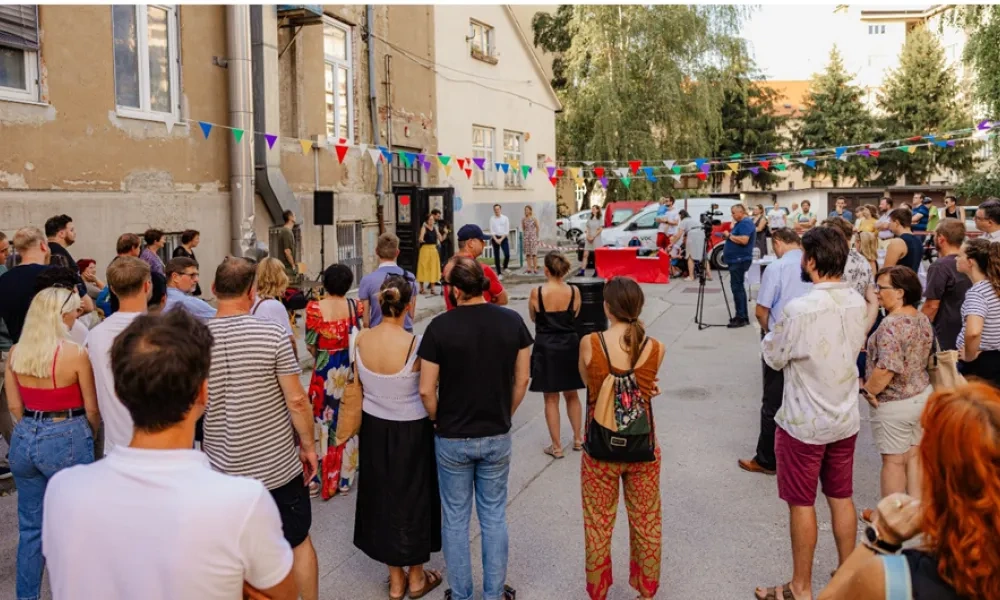
Every urban transformation begins long before the visible changes appear. In Celje and Prebold, the first year of the MAG-NET project has been a year of preparation, alignment, and early movement, much of it behind the scenes, yet essential to what will follow. This Urban Diary chapter captures that beginning: how two municipalities have started organising themselves around a set of challenges, how new partnerships have taken shape, and how residents are slowly becoming part of the story.
From the initial kick-off to the formation of the MAG-NETic Teams, from the “Do You Care for Celje?” baseline study to the first visible signs of renewal around Kajuhov dom (housing the MAG-NET Hub), the project has been laying the groundwork for the innovation ecosystem it intends to build. These first months reveal both the promise and the complexity of working in real urban contexts, where change unfolds through relationships, expectations, doubts, and the accumulation of small victories.
These field notes follow that formative period. They bring together observations, conversations, early data, and the atmosphere of the first year—helping trace how Celje and Prebold are beginning the work of becoming, before the more visible phases of transformation take hold.
Building Institutional Capacity
Image
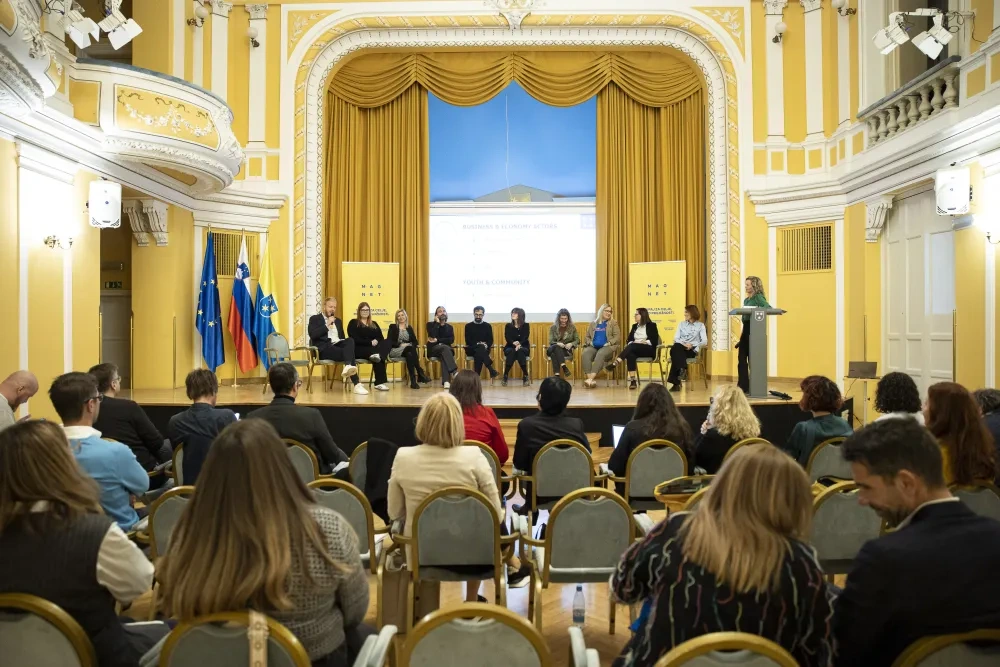
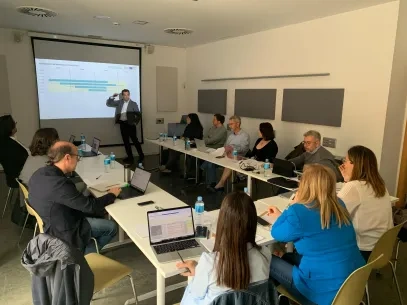
Since its official launch in December 2024, MAG-NET has progressed through critical milestones. The Kick-off Meeting brought together the wider city ecosystem—including municipal staff, local institutions, businesses, NGOs, and national-level actors, notably representatives from the ministry involved in the Affordable Housing challenge. The Steering Committee was established to support governance and shared responsibility.
Most significantly, the MAG-NETic Teams were formed, bringing together around 60 professionals from public, private, educational, cultural, youth, senior-citizen, and community sectors. While Celje is actively working across all five MAG-NET challenges, Prebold is focusing its efforts on two areas that reflect its local priorities and capacity: Urban Atmosphere and Affordable Housing.
Participation remained remarkably high throughout the year. The collaborative tone was striking—genuinely curious, open to learning, and willing to test approaches that might not succeed on the first attempt. In a culture that often values certainty over experimentation, this willingness proves essential.
Challenge: Sustaining engagement across diverse institutions while maintaining collaborative momentum
Response: Establishing clear coordination structures, organising work through thematic MAG-NETic Teams, fostering a culture of experimentation, and maintaining consistent working rhythms that build trust over time.
Understanding Residents and Building Participation
In May 2025, the baseline survey Si kej za Cele? (“Do You Care for Celje?”) and Si kej za Prebold? reached over 2,100 residents—more than 1,600 in Celje and over 500 in Prebold (representing over 10% of Prebold’s population). Residents shared how they experience daily life, what concerns them, and where they see opportunities.
The surveys revealed strong interest in public spaces, mobility, high-value jobs, environment, urban events, and housing. At the same time, they highlighted a recurring challenge: many residents want to participate but are unsure how or when. The barrier lies less in motivation than in how cities extend invitations that feel realistic within everyday life.
By September’s sixth annual City Conference, the initiative had begun to take on the character of a shared civic endeavour—an alliance for Celje. This edition of the conference was explicitly linked to MAG-NET and focused on the project’s five urban challenges, helping align ongoing city dialogue with the emerging structure of the initiative.
People from Celje and Prebold increasingly spoke about themselves not as cities on Europe’s periphery, but as contributors within a wider European community of urban experimentation. This shift in self-perception—from recipient to peer—may be one of the most meaningful outcomes of the first year.
Challenge: Understanding resident priorities and breaking down barriers to meaningful participation.
Response: Conducting large-scale baseline surveys, mapping resident priorities across key themes, using insights to shape participatory formats and communication strategies, and leveraging the MAG-NET City Conference to build shared civic ownership.
The Pulse of Urban Atmosphere
Image
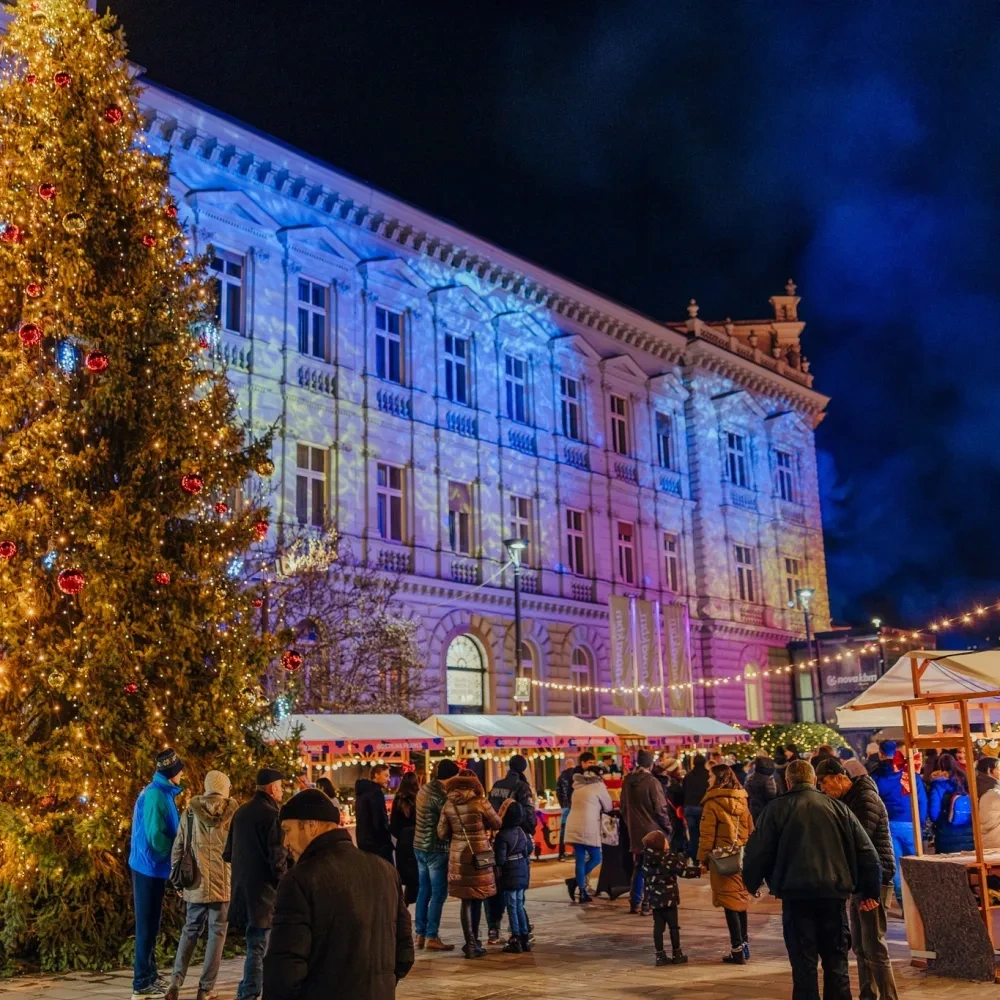
The Urban Atmosphere challenge tackles one of Celje’s most familiar contradictions: the city offers a wide range of cultural, sports, and community events, yet people still say that “nothing is happening.” This mismatch between reality and perception is common in mid-sized European cities and points to the need for continuity, visibility, and emotional connection to everyday urban life.
The team is therefore focusing on activities that become part of the city’s rhythm rather than isolated highlights: pop-ups, neighbourhood gatherings, youth-led programmes, and seasonal activations that animate the in-between moments when nothing official is scheduled.
Two long-term pillars guide this work. One is Alma’s Travel Festival, a flagship event inspired by the city’s spirit of curiosity and exploration, named after Alma M. Karlin, the Celje-born writer, traveller, and polyglot who journeyed solo around the world in the early 20th century and whose legacy continues to shape the city’s cultural identity. The other is DOM (meaning ‘home’ and home of the MAG-NET Hub) – the Centre of Urban Happening, envisioned as a permanent civic anchor for workshops, rehearsals, creative production, public conversations, and community programmes.
Challenge: Bridging the gap between perception and reality—residents feel “nothing is happening” despite abundant cultural and community programming.
Response: Prioritising rhythm and continuity over isolated events, introducing frequent small-scale interventions, establishing long-term anchors such as Alma’s Travel Festival and DOM, and focusing on invitation, connection, belonging, and shared ownership among those willing to take action.
A Building Awakening: Kajuhov dom, DOM, and the MAG-NET Hub
Image
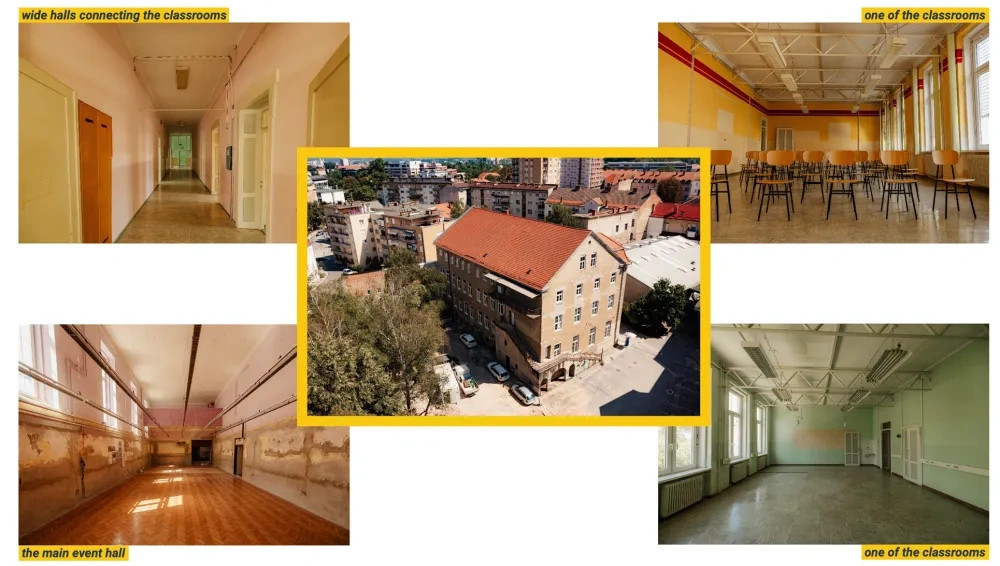
Kajuhov dom is the building currently under renovation through the EU-funded CUD (Centre of Urban Happening) project. CUD should be understood as the renovation framework itself—the investment that made this transformation possible. Once reopened, the building will operate as DOM, a civic and cultural centre designed to function as part of everyday city life. In practice, people will simply say they are “going to DOM”—for a rehearsal, a workshop, an event, or to sit in the café.
Within DOM, MAG-NET is developing what it calls the MAG-NET Hub. The Hub refers specifically to a set of EUI-funded programmes, services, and methodologies—learning formats, facilitation, experimentation, coworking, and cross-sector collaboration. It is not a separate place or public brand, but a functional layer operating inside DOM and clearly attributable to the MAG-NET project.
Renovation works in this space have now begun, and the building has become noisy and active, with workers moving between floors and materials being brought in and out. Excitement is building.
The city also plans to improve the public realm around DOM and beyond —reclaiming streets for people, improving accessibility, widening pedestrian areas, and strengthening connections that invite residents to enter and to connect more broadly. When you create spaces for people, you must also create pathways that lead them there.
In Prebold, where the challenges to be addressed include Urban Atmosphere and Affordable Housing, the Mini-Hub will offer a meaningful space for young people while remaining closely connected to the existing intergenerational centre and everyday community life.
Challenge: Ensuring that renovated and emerging spaces function as genuine community anchors rather than isolated facilities, while offering meaningful places for young people to meet, create, and feel a sense of ownership.
Response: Improving the public realm around DOM to strengthen accessibility, visibility, and everyday use; piloting activities inside DOM before completion; integrating DOM and the MAG-NET Hub services into wider pedestrian networks; and developing the Mini-Hub in Prebold as a youth-oriented yet intergenerationally connected space that prioritises purpose, participation, and belonging.
Field Notes from the Five MAG-NET Challenges
Image
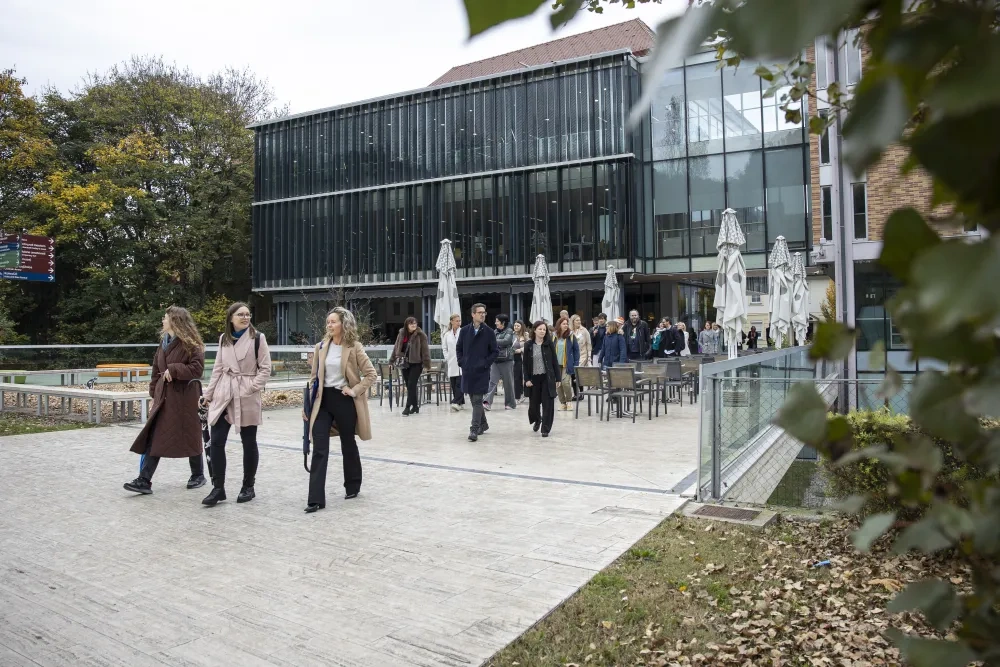
MAG-NET consortium field visit
Behind the renewal of DOM, the MAGNET-ic teams, focussing on the MAG-NET challenges have been quietly building the intellectual and collaborative architecture that will give these spaces purpose.
At this stage, the MAG-NETic Teams have defined the challenges and begun field research, stakeholder engagement, and early co-design, while the later phases of prototyping, real-life testing, and implementation pathways are still to come.
Affordable Housing
Housing emerged as one of the strongest concerns in the baseline surveys. Early work centred on identifying feasible pilot directions: Slovenia’s first urban housing cooperative, intergenerational living models, activation of vacant private units, and exploratory models for young families and entrepreneurs.
Early response: The team narrowed a complex policy field into a manageable set of pilot entry points grounded in local reality.
Sustainable Mobility
The Sustainable Mobility team brought together schools, kindergartens, youth workers, municipal departments, and mobility experts around one ambition: enabling children and young people to move safely and independently through the city. Early explorations focused on school streets, walking buses, safer pedestrian routes, and improving public transport experience. A key insight guiding this work is that changing mobility habits starts at an early age, making young people central to long-term behavioural change.
Early response: The team worked closely with young people to anchor mobility design in lived experience.
Energy Communities
The Energy Community Team brought together municipal actors, energy providers, industry, and regional experts. They identified three prototyping pathways: neighbourhood-level energy communities, clusters of public institutions, and industrial-symbiosis approaches.
Early response: Partners aligned around a shared citizen-centred vision and defined initial scenarios for low-barrier experimentation.
Industry 4.0 / High-Value Jobs (Talent Ecosystem)
This challenge addresses a long-term regional priority: retaining young people by strengthening pathways between education, industry, and entrepreneurship. Early steps involved mapping the local talent ecosystem, identifying skill gaps, and exploring where high-value job creation might emerge.
Early response: The team is in the process of building a shared understanding across institutions, a necessary foundation for future interventions.
The Innovation Blocks: Local Work, Transferable Lessons
All of this work is structured through the five MAG-NET Innovation Blocks: the Hub, the Real-Life Learning Labs, the Fields, the Digital Platform, and the Solutions. Together, they form a transferable methodology designed so that insights emerging from Celje and Prebold can be adapted by other cities facing similar challenges.
Early reflections from transfer partners Varaždin, Nardò, and Košice confirm this: what is being built here resonates far beyond Slovenia’s borders.
Reflections: Learning from the Early Months
Image
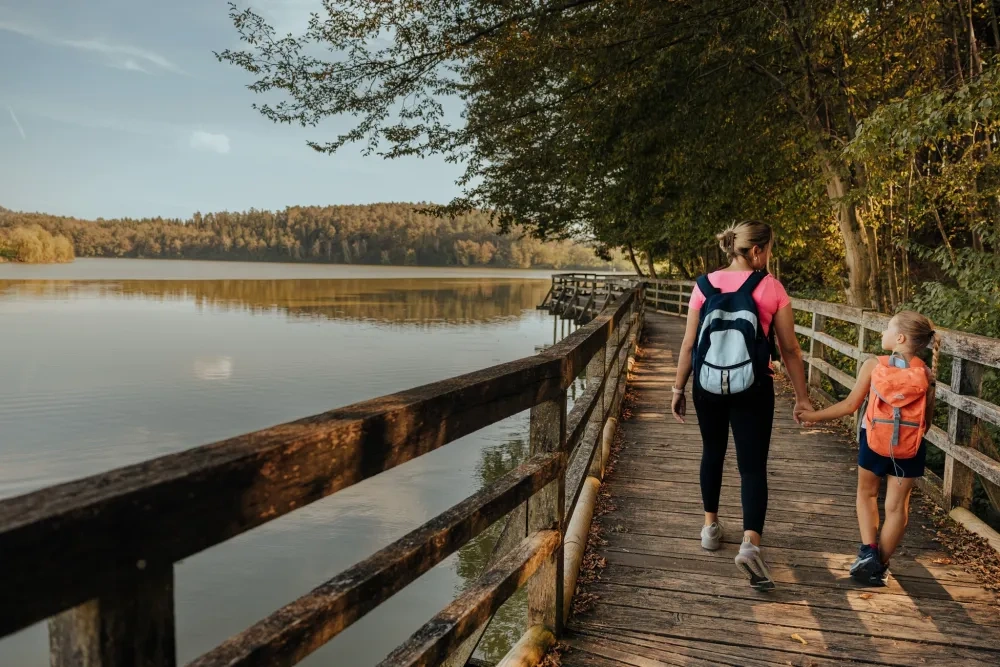
MAG-NET’s first year has been defined by both promise and the natural uncertainty of early-stage innovation. Some participants needed time to understand the methodology; others embraced its openness immediately. Coordination required effort, renovations are only just beginning, and patience will continue to be tested.
And yet, something steady is forming. People are recognising one another as partners. Data is guiding decisions. Spaces are being reshaped. Ideas are becoming tangible. MAG-NET is becoming a shared story.
Preparing the Ground for Use
Beyond the renovation work, both DOM and the Hub are entering a crucial organisational phase. The coming months will focus on establishing the management team, onboarding the first users and their programmes, and developing communication and community-engagement strategies. These steps are essential to ensuring that, once the doors open, the buildings do not stand as neutral shells but as places already animated by people, expectations, and early commitments.
Recommendations for Practitioners
Drawing on these early insights, several recommendations are emerging:
- Establish governance early, but leave room for experimentation.
- Conduct robust baseline research to understand priorities and participation barriers.
- Design public spaces and buildings together to ensure they become everyday parts of urban life.
- Foster a culture where experimentation is valued over certainty.
- Develop frameworks that are locally grounded yet easily transferable.
- Recognise that transformation unfolds through many small steps, not dramatic breakthroughs.
Conclusions and Next Steps
Celje and Prebold are transforming gradually—and there is wisdom in that. They are transforming through people: through sustained attention, patient collaboration, shared imagination, and a willingness to commit time and care to the places they call home. This kind of transformation rarely makes headlines, but it builds foundations that last.
MAG-NET is amplifying this shift, helping both municipalities look toward the future with steadier voices and a clearer sense of what’s possible. But the real test lies ahead.
The first chapter is written. The second is already beginning to unfold.
What comes next matters more than what has happened so far.
The hard work isn’t about forming teams or conducting surveys, it’s about sustaining momentum when the novelty fades. It’s about turning renovated buildings into genuine community anchors. It’s proving that participation isn’t just something residents say they want, but something they’ll actually do.
This Urban Diary will continue documenting all of it: the breakthroughs and the setbacks, the moments of clarity and the moments of doubt, what works and what teaches us something better.
The most interesting parts are yet to come.
Image
About this resource
The European Urban Initiative is an essential tool of the urban dimension of Cohesion Policy for the 2021-2027 programming period. The initiative established by the European Union supports cities of all sizes, to build their capacity and knowledge, to support innovation and develop transferable and scalable innovative solutions to urban challenges of EU relevance.

Similar content