In the first chapter of the Urban Diary of EPIC, EUI Innovative Action Expert Simone d’Antonio reports on the progress made during the first year of project implementation. The chapter gathers insights from the field, highlights the challenges and solutions which emerged, and presents key lessons learned from the EUI project of Prato, which is developing new tourism products rooted in the industrial heritage of the city.
EPIC at a glance
EPIC is the EUI project of Prato (Italy) aimed at valorising the industrial heritage of the city as a resource for promoting sustainable tourism through the creation of innovative tourism products that guarantee a “never-ending experience” for different types of visitors.
Situated in the heart of Tuscany, Prato has a population of nearly 200,000 residents and is internationally recognised for its textile district, which accounts for around 3% of the European textile production, with more than 2,500 companies active in the sector.
Prato needs to diversify its tourism offer in order to remain competitive with other small and medium-sized cities that are benefiting from the significant growth of Tuscany as a tourism destination. Tuscany ranks as the leading Italian region in terms of total tourism expenditure, reaching approximately €19 billion.
The development of immersive tourism itineraries, which combine on-site and virtual dimensions, allows visitors to experience the industrial tourism attractions of Prato in an innovative way. These solutions respond to the evolving needs and expectations of tourists who increasingly seek to understand the urban, social and productive context of the destination they visit. EPIC builds on the previous experience of TIPO-Turismo Industriale Prato, which experimented with the creation of an industrial tourism identity at urban level, capable of attracting new visitors, extending their length of stay, but also fostering greater awareness on sustainability issues.
Implemented through a coalition of project partners operating at local and national levels (Prato Textile Museum Foundation, Sistema Toscana Foundation, CNR-IBE National Council Research – Bioeconomy Institute, Social Cooperative Cristoforo, LAMA Social Enterprise, Eutropian Association, Awhy, Flod, Immerxive), the project aims to develop a model for promoting industrial tourism as a driver of sustainable tourism growth which can be replicated at European scale. The model will be transferred to the Transfer cities Bilbao (Spain), Miskolc (Hungary) and Pilsen (Czechia). Furthermore, EPIC will also contribute to improving local promotional strategies and tourism governance through the creation of a Destination Management Organisation (DMO) that will integrate industrial heritage within a broader framework for the promotion of architectural and historical attractions.
Insights from the field
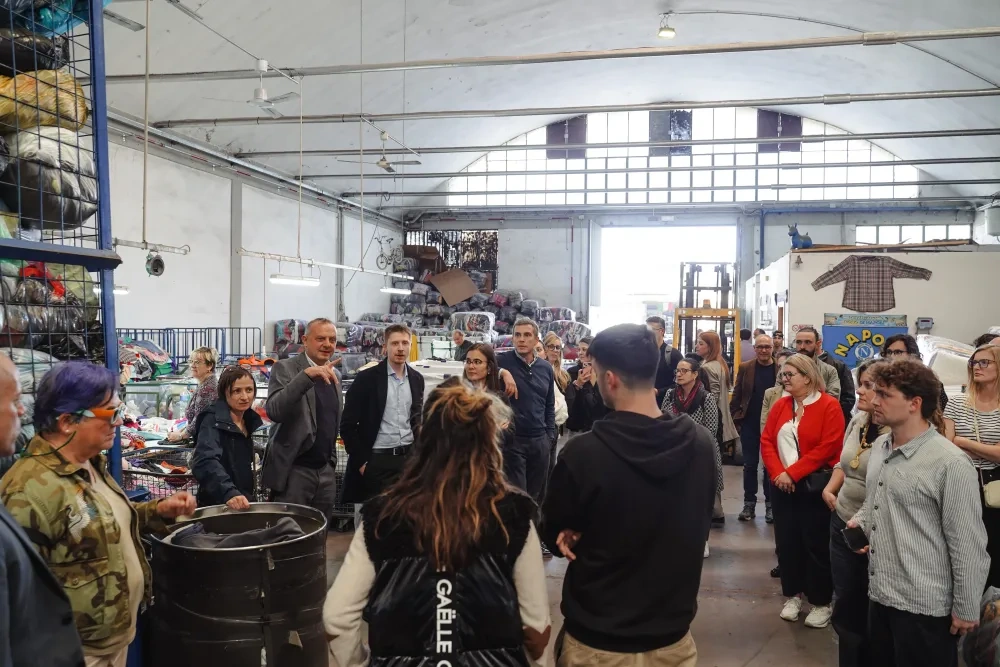
During the initial phase of the project, Prato chose to deepen its understanding of the local tourism and textile ecosystems, mapping 692 local stakeholders segmented by category, role and territorial relevance. These actors were identified as potential contributors to targeted engagement activities throughout the project, starting with the participatory programme launched in May 2025 aimed at exploring local perceptions of Prato’s potential as a tourism destination from different perspectives.
Operational challenges and training needs across the sector emerged from 16 semi-structured interviews conducted by LAMA between March and June 2025 with key tourism, cultural, entrepreneurial and institutional stakeholders. These findings provided a solid knowledge base for the future establishment of the DMO, one of the core objectives of the EPIC project. Subsequently, a large-scale resident questionnaire, active from May to September 2025, engaged nearly 900 respondents from Prato and neighbouring municipalities. The survey generated valuable evidence on how tourism is perceived locally and the awareness of industrial tourism activities carried out in recent years through the first editions of the TIPO Festival, which since 2021 has introduced experimental visits to Prato’s textile factories.
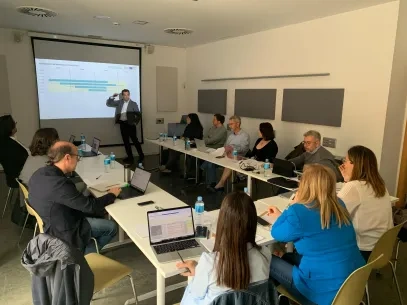
The active participation of local stakeholders was not only limited to mapping and analysis, but was also closely linked to the co-creation of specific outputs. In July 2025, a focus group organised by the Textile Museum and the municipality and facilitated by LAMA involved a series of local actors like tourism operators, cultural entities and textile entrepreneurs in the co-design of sustainable travel itineraries. The objective was to consolidate the experiences tested during the TIPO Festival into stable tourism products available throughout the year.
Six prototype itineraries, intended to be included in a first Commercial Catalogue of tourism packages, were designed by combining traditional tourism attractions with industrial heritage sites. One-to-one meetings with potential tourism operators to be involved, like the Textile Museum, the local association of tour guides and textile factories, were initiated to refine the itineraries. These tours are scheduled for testing during the first semester of 2026. Their design builds not only on previous industrial tourism initiatives, but also on an in-depth analysis carried out by Cristoforo Cooperative, which identified emerging tourism trends and the profile of the industrial tourist, providing preliminary considerations on the future vision of sustainable tourism in Prato, strategic positioning of the destination and potential synergies with other forms of tourism.
The combination of onsite and immersive activities represents the key innovation element of EPIC, with a strong coordination between these two dimensions ensured since the ideation phase of both the components. The development of the technological architecture by the technical partners Immerxive and Awhy was informed by continuous dialogue with partners responsible for itinerary design, like Cristoforo Cooperative and the City of Prato, in order to identify relevant content to be developed and made accessible through technological solutions.
The working framework of the visitor Virtual Reality (VR)- Artificial Intelligence (AI) system was defined through guidelines for blending physical and virtual realities. This interaction model is formalised by the EPIC Immersive Experience Framework and Toolkit, that was delivered by Immerxive to define the conceptual, technological and experiential structure of the future Metaverso Prato, the immersive platform that is at the core of the never-ending tourism experience developed by EPIC.
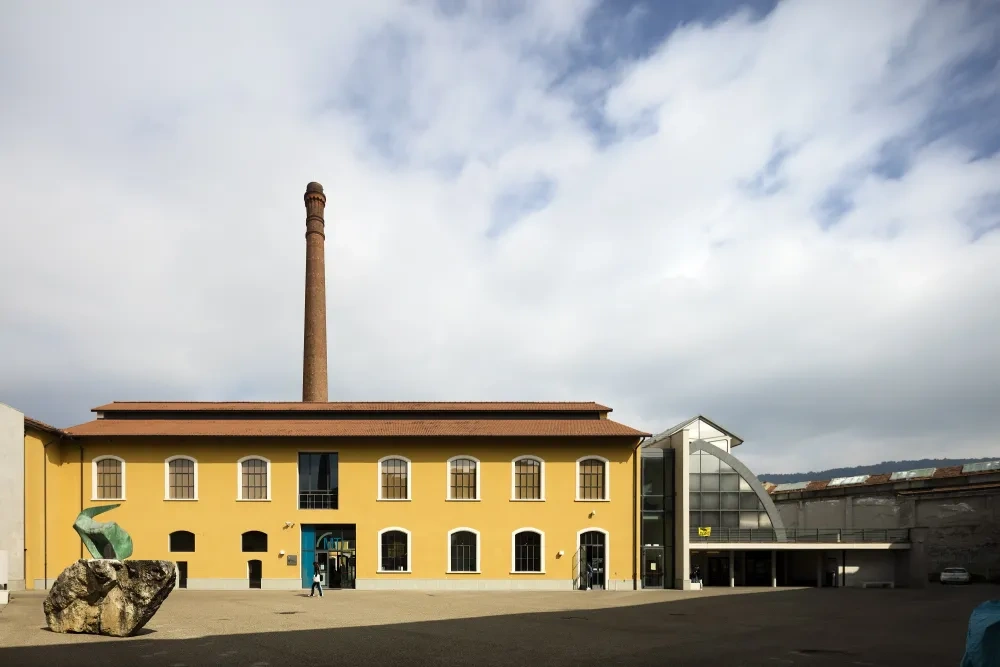
A series of technical site visits to the Textile Museum and Manifatture Digitali Cinema were carried out to define the spatial, infrastructural and accessibility requirements for the installation of the two Virtual Reality Rooms, which will combine VR and AI to promote Prato’s tourism offer in an innovative way.
The visits to the spaces designated to host the Virtual Rooms (spaces that will also undergo regeneration and technical upgrading prior to the installation of the equipment, through a technical project scheduled for completion in the first half of 2026) enabled the final definition of the technological setup. This includes VR motion platforms, high-performance workstations, VR Meta Quest headsets, and the configuration of the networking architecture required to ensure system reliability and safety for the users. The first VR platform, named FlyOver Prato, that simulates helicopter flights over key city landmarks and tourism attractions was assembled by Immerxive as a testing unit after a long procurement process involving multiple suppliers first in Poland and then in Italy, which provided the different components of the workstation from the computer hardware to the external shell shaped like an egg-style aerotaxi.
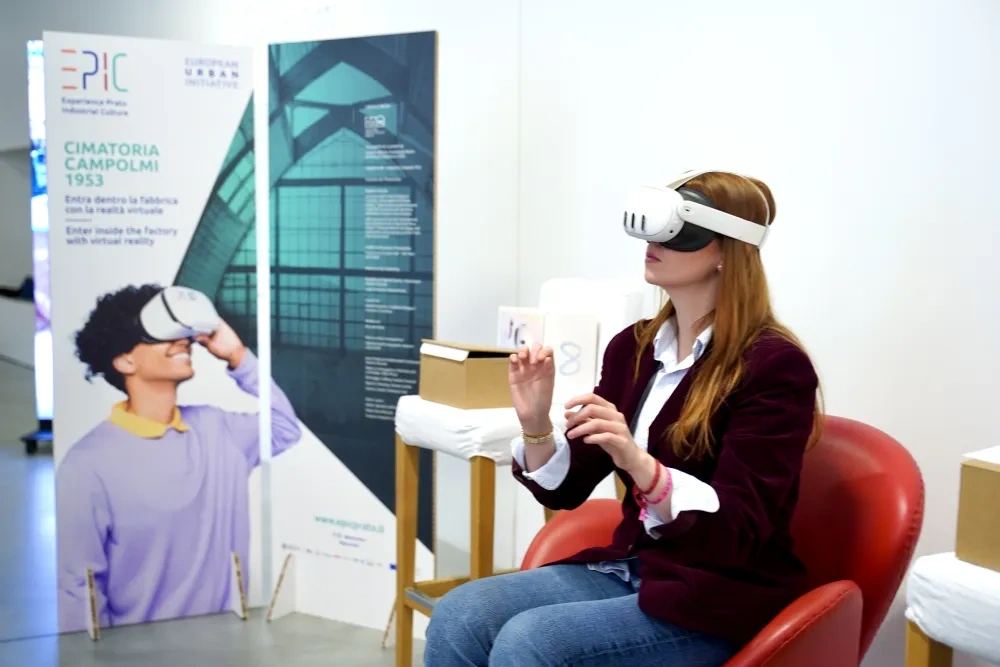
The process of identifying suppliers and technological components for the setup of the Virtual Rooms, particularly for the acquisition of the motion platforms and virtual reality hardware, was particularly challenging because it was necessary to ensure that the selected equipment met the demanding requirements set out in the technical specifications, while also aligning delivering timelines with the development and implementation phases. This approach ensures that the final purchases will reflect the most recent technological advancements in virtual reality and immersive experiences.
In parallel, Immerxive began producing a series of 360-degree video recordings of industrial, cultural and urban sites, which will constitute core immersive assets made available onsite through the PratoFlyOver installed in the Virtual Rooms and online through the EPIC Virtual Museum hosted within Metaverso Prato.
Together, these activities contributed to shaping the integrated digital layer of EPIC, based on a strongly transdisciplinary methodology combining expertise in 3D art, software development, video production, user-experience design, VR engineering, AI integration and motion-platform configuration.
The merging of AI and VR lies at the core of the innovative model fostered by EPIC and presented significant challenges in terms of conception and development of the voice-controlled solutions that will be installed in the Virtual Rooms and in ten Virtual Corners (still under development) to be located in hospitality facilities across the city. During the first year of EPIC, Awhy developed a comprehensive system for advanced conversational experience in the form of an intelligent virtual assistant based on large language models (LLMs) capable of processing voice input, an element that combined with VR environments represents one of EPIC’s most distinctive features.
This activity enabled the creation of a realistic interaction experience, which will be integrated with VR systems through the collaboration with the other technical partner Immerxive. The resulting digital infrastructure is designed to be scalable and adaptable, supporting future evolutions of EPIC and responding to ongoing technological evolution.
Thanks to the solid technological foundation established through collaboration between the technical partners during the first year of EPIC it was possible to develop a first demonstrator of the system combining VR and AI based on the database of the Textile Museum. However, additional content and data but more information are needed to train the AI system and consolidate its integration into the VR environment at the heart of the EPIC’s “never-ending experience”.
Collaboration between Immerxive and Awhy together with the Textile Museum and the City of Prato was essential for defining the content to be included in the immersive systems delivered through the Virtual Reality Rooms and Virtual Corners. At the same time, the dialogue helped all the partners understand the current technical limitations that affect the development of digital outputs. Aligning what is technically implementable with the elements included in the six proposed tourism itineraries is crucial to ensure that the 360-degrees videos that will be accessible through PratoFlyOver form a coherent narrative component of the tourism experience.
The creation of a balance among different narrative elements is also important to ensure that immersive technologies do not merely substitute onsite visits, but rather encourage visitors to explore the tourism attractions of the city and its industrial heritage in person, extending their stay in Prato. While the digital experience offered through immersive technologies will last only a few minutes, EPIC aims to concentrate high-value information within this short timeframe, strengthening the connection between virtual and real-world experiences.
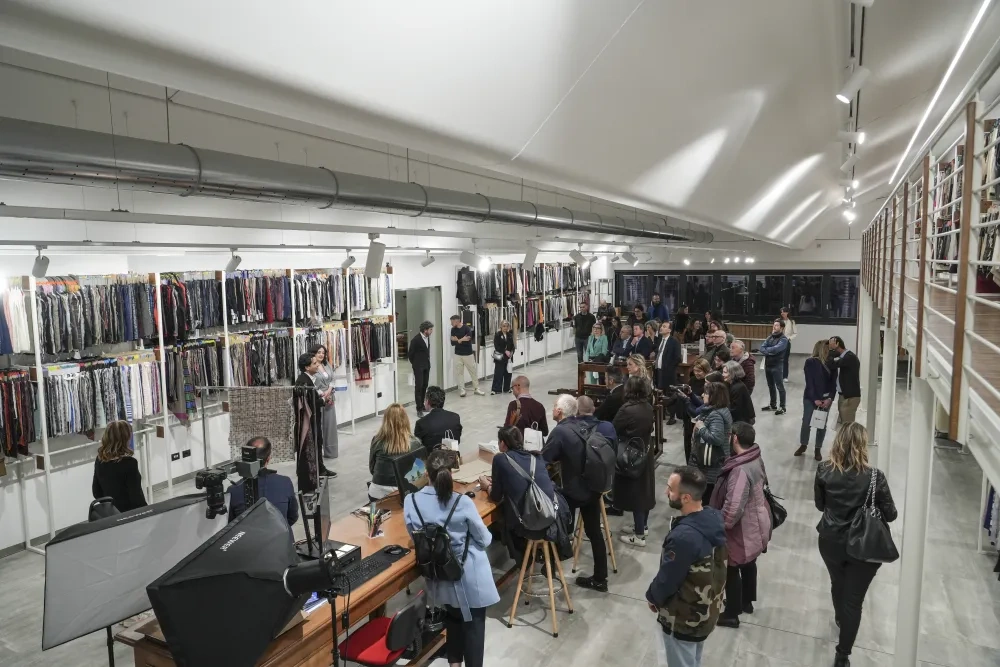
During the first year of EPIC, the development of immersive experiences was also supported by the definition of the data architecture and the KPIs required to evaluate their performance. This action focused on combining the collection of anonymised user data with full compliance with privacy regulations. Data such as session duration, navigation patterns, geographic interest hotspots, and interaction analytics with both VR environments and conversational AI components will not only contribute to analysing how the immersive solutions of EPIC were used by the visitors, but will also support the future DMO in identifying visitors’ interest and behaviours.
Ensuring that data flows, Application Programming Interfaces (API) integrations and storage policies remain compliant with GDPR and AI regulations, while remaining interoperable with future DMO infrastructures, emerged as a key priority in the framework of a broader reflection on which datasets should be integrated into the digital dashboard supporting a data-driven and shared governance model for the DMO.
The data collection and analysis are crucial for making EPIC a testing ground for evidence-based decision-making in sustainable tourism. Alongside the development of the monitoring, evaluation and learning framework of the project, which provides the basis for the continuous monitoring of progress and analysis of data and results which can be also included in the future DMO dashboard, the CNR-IBE began designing a sustainability assessment system for the EPIC itineraries to estimate their environmental, social and economic performance. The assessment framework combines qualitative and quantitative indicators, with a focus on elements like sustainable mobility, short supply chains and industrial heritage valorisation. Beyond the evaluation of the tourism itineraries once tested, this system will generate additional digital tools for the activities of the DMO, such as an online carbon footprint calculator that will help visitors in making more responsible choices but also support tourism operators with information which may be useful to refine their services.
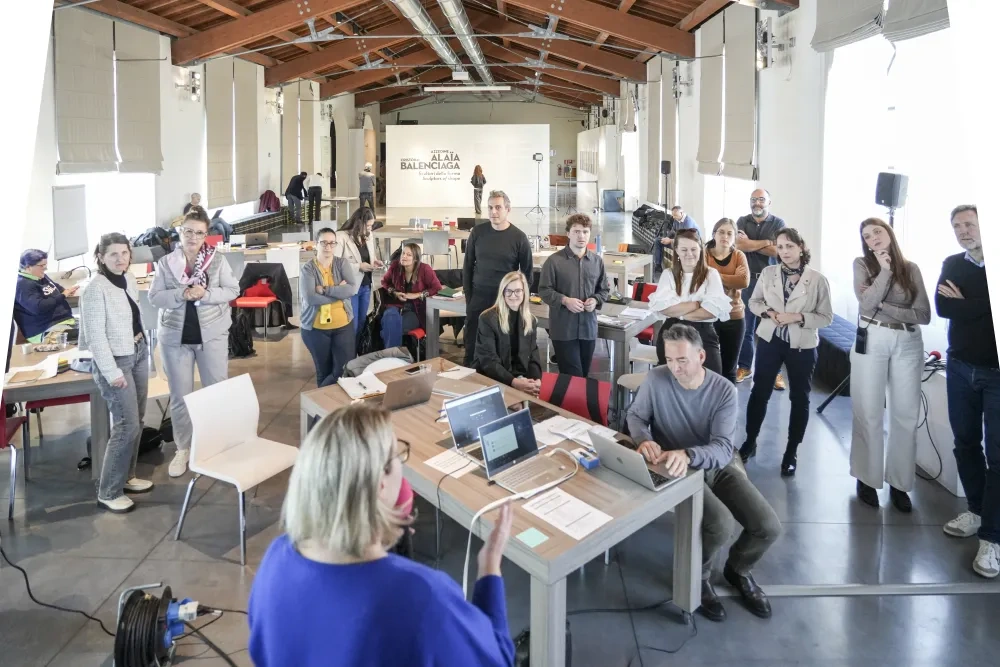
The activities related to the Transfer Package officially started with the development of a detailed plan of the activities that will support replication of the EPIC model in the transfer cities Bilbao (Spain), Miskolc (Hungary) and Pilsen (Czechia). The Opening Site Visit, hosted by Prato in October 2025, marked the conclusion of the initial phase of work focused on making sense of the concept, which aligned partners on EPIC methodology and clarified their expectations while assessing the local context of each transfer partner.
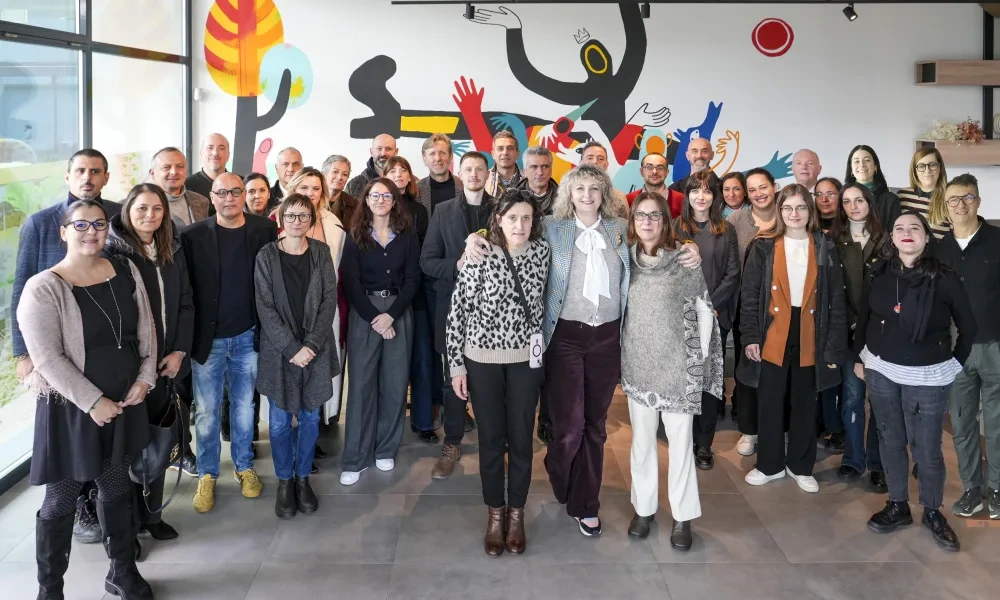
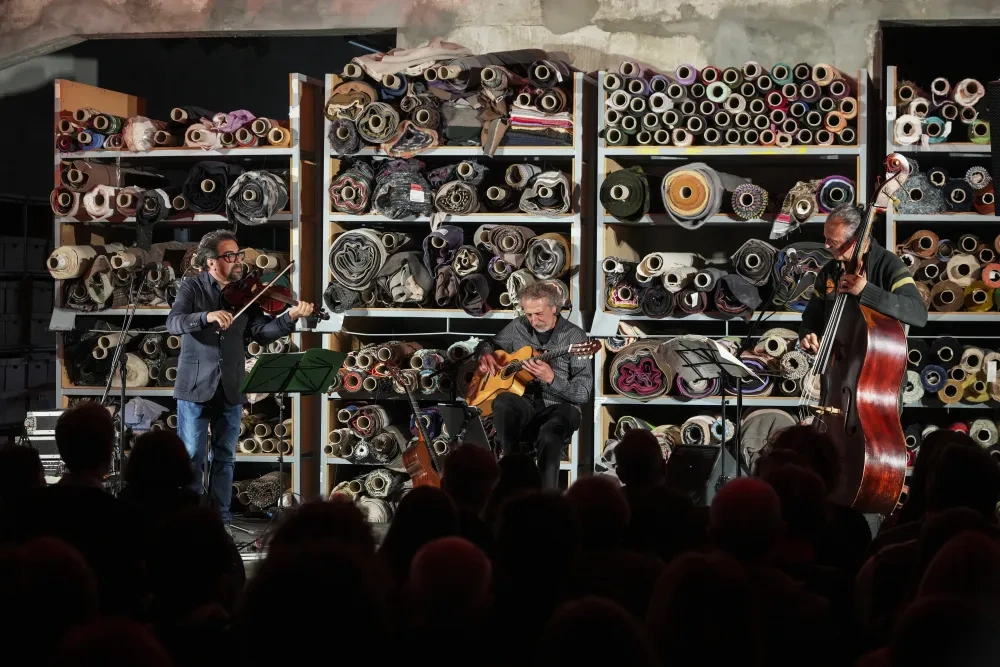
The Opening Site Visit was not only an opportunity to create an effective working environment among the transfer partners, but also offered an occasion to get familiar with the local context of Prato and the central role played by the textile industry in shaping the local identity. The representatives of Bilbao, Miskolc and Pilsen also participated in visits to some of the local textile factories involved in the industrial tourism itineraries and experienced innovative activities, such as an evening jazz concert which took place in an industrial space. Open to the local audience, the event formed part of the TIPO Festival’s autumn programme and served as a preview of the next edition, scheduled for April 2026, during which some of the first industrial tourism itineraries designed by EPIC will be beta-tested.
Challenges and solutions
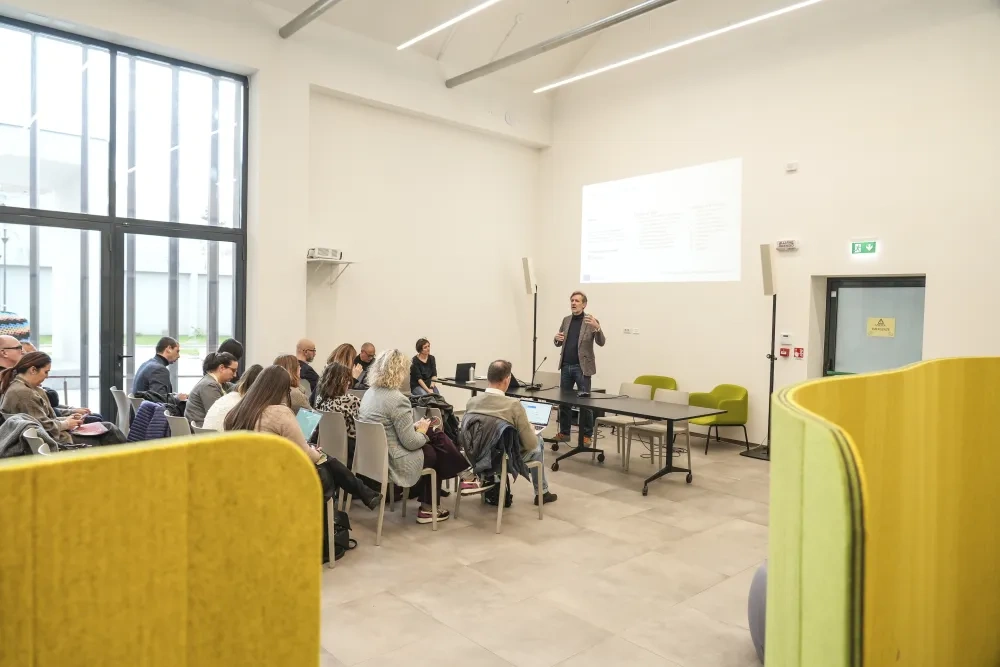
The development of a solid management model of the project was one of the main challenges addressed by EPIC, under the solid leadership of the Main Urban Authority. The municipality managed to align partners with very different profiles to the technical and financial logic of a complex project such as EPIC. For many partners, particularly private organisations, this was their first experience participating in an initiative of this nature. The establishment of a stable coordination mechanism proved essential in ensuring project efficiency and in aligning internal terminology and working methods among partners from different professional backgrounds who were not accustomed to collaborating across disciplines.
This aspect was particularly crucial in a project like EPIC that requires the integration of different skills, like on tourism and advanced technologies, in order to develop innovative and immersive tourism products which integrate the local industrial heritage within the city’s tourism offer in new and original ways. The organisation of regular coordination meetings among partners helped align efforts around the development of city tour packages, and streamlined the technical system by effectively connecting the needs of the visitors with the solutions provided through VR and AI technologies.
The solid management model and the positive collaboration environment established among project partners contributed also to overcoming an unexpected challenge posed by the temporary lack of political leadership following the resignation of the mayor and the city government. This political vacuum required a reassessment of specific priorities promoted by the previous administration, like the accelerated timeline for establishing the DMO, which had initially been brought forward from the end of the project to the end of the first year of implementation. While this shift created uncertainty, it also provided additional time to further develop the technical foundations necessary for the DMO’s introduction. This preparatory phase has helped pave the ground for the incoming city administration, scheduled to take office in spring 2026, which will be able to decide whether to confirm the early launch of the DMO while the project is still ongoing or to maintain its introduction at the of the project, as originally planned.
The development of a solid knowledge base to support EPIC’s tourism products is not only the result of an efficient baseline analysis, but the result of a structured co-design process primarily implemented through focus groups and thematic labs, which represents one of the most innovative and scalable actions of EPIC. The co-designed nature of EPIC’s outputs contributed to creating a deep sense of local ownership and commitment, guaranteeing the long-term durability and sustained use of the innovative products and the associated governance structures, including the collaborative DMO.
The collaboration with different municipal departments, like the tourism department, was essential to ensure the integration of the EPIC’s results into the local policy framework. This cross-departmental cooperation has also helped create a constructive working climate among project partners, preparing the ground for addressing possible future challenges linked to the initiation of joint activities such as infrastructural work and procurement of IT equipment for the consolidation of Virtual Rooms and Corners planned for installation in 2026.
Learning points and sustainable tourism
EPIC demonstrates the value of a transdisciplinary approach, which is central to many of its activities. The ongoing dialogue between cultural, tourism and technological competences has not only supported the development of cross-sectorial knowledge, but at urban level has also increased awareness of the role that digital technologies can play in promoting broader understanding of the local textile heritage. At the same time, EPIC is generating innovative examples of collaboration in areas such as the interaction between immersive technologies and AI, which is a field still largely unexplored within the tourism sector.
Another key learning point concerns the effectiveness of participatory formats designed to stimulate the active involvement of local tourism stakeholders including surveys, focus groups, thematic meetings and semi-structured interviews. EPIC has shown that local communities and sectoral actors are willing to contribute to future policy development when given meaningful opportunities to express their views and influence capacity-building actions and the overall improvement of services and activities, not only for visitors but for the city as a whole.
A deeper understanding of the potential of industrial tourism has also proven a positive element in raising awareness of the need to diversify the tourism offer, one of the elements that aligns closely with the Urban Agenda for the EU Action Plan on Sustainable Tourism. EPIC translates this strategic priority into practice through activities that promote a “never-ending experience”.
The reflection on the positive role of digital technologies in enhancing the resilience of the tourism sector and promoting local itineraries across multiple channels have also enabled EPIC to build synergies with other initiatives, such as the Interreg Euro-MED SMITour project. Outputs from SMITour, including a survey on emerging technology skills in tourism, were used to inform some of the EPIC activities, like an assessment of resources related to industrial tourism.
The interaction with other levels of governance, such as the regional tourism promotion agency Toscana Promozione Turistica, is helping to scale up some of the innovations developed within EPIC, like the industrial tourism packages that will be promoted through events involving buyers and tour operators, as well as facilitating the future integration of these itineraries into regional marketing and promotional strategies.
About this resource
The European Urban Initiative is an essential tool of the urban dimension of Cohesion Policy for the 2021-2027 programming period. The initiative established by the European Union supports cities of all sizes, to build their capacity and knowledge, to support innovation and develop transferable and scalable innovative solutions to urban challenges of EU relevance.

Similar content