URBACT
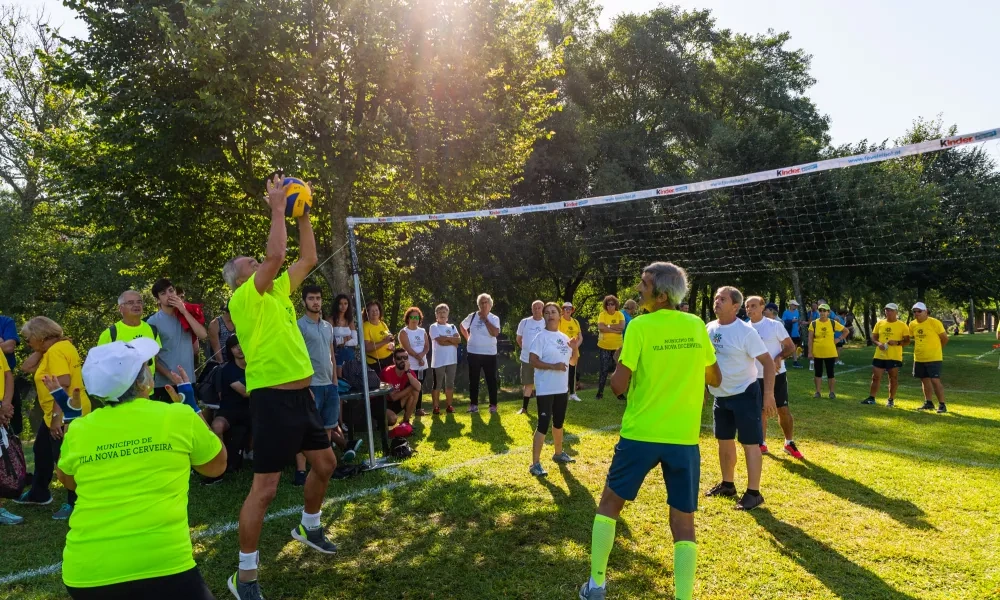
Find out how cities can create local realities where people feel seen, supported, and able to participate in collective problem-solving.
Across European cities, challenges to social cohesion have intensified, intersecting with long-standing socio-economic inequalities and new demographic, economic, geopolitical, and spatial pressures. Beyond material deprivation, some urban residents, such as the elderly, migrants, persons with disabilities, and others, are more vulnerable to exclusion, isolation, and discrimination. Resolving exclusionary dynamics requires coordinated, place-based approaches that engage municipalities, public services, civil society, and other actors. Inclusive urban policies strategically activate existing welfare infrastructures, while still allowing for social innovation. The following nine European cities are operationalising social
...
This ressource is a summary. To view the full ressource, please use the link below.
About this resource
Author
Location
Intermunicipal Community of Tâmega e Sousa,
Portugal
About
URBACT
URBACT is a European Territorial Cooperation programme that enables the cooperation of European cities within thematic networks since 2002. The programme also provides capacity-building activities and tools, and shares knowledge and good practices to city representatives and urban practitioners.

Similar content

Image

Urban Stories
European Urban Initiative
Image
Urban Stories
European Urban Initiative